Understanding the psychological impacts of gambling on decision-making processes
The Nature of Gambling and Decision-Making
Gambling is often a high-stakes activity that involves risk and uncertainty, making decision-making critical. When individuals engage in gambling, they must constantly assess probabilities, potential outcomes, and their own financial limits. This process is heavily influenced by psychological factors such as emotion, cognition, and social influence. An excellent example of a platform offering this form of entertainment is hadesbet-casino.uk, which provides a diverse range of gaming experiences. Understanding these elements can provide insight into why people make certain choices while gambling, often leading to decisions that may seem irrational or impulsive.
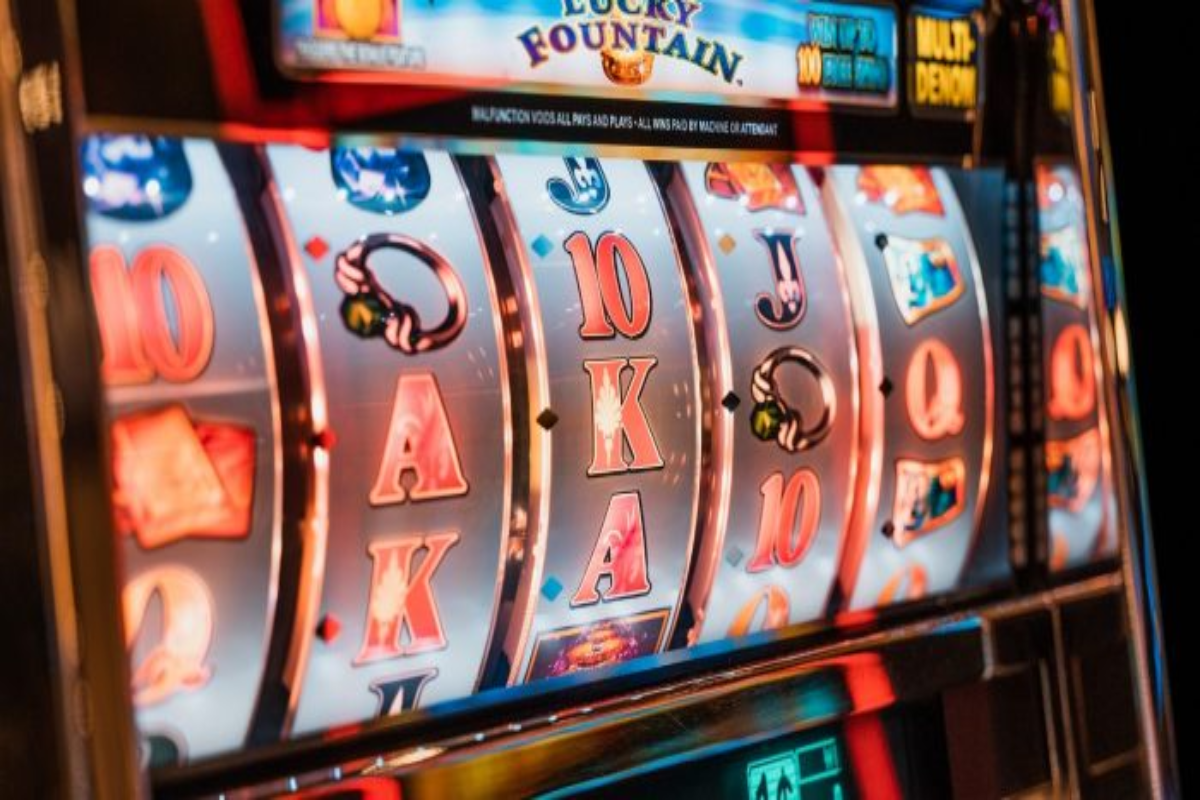
In decision-making, gamblers must balance their desire for reward against the fear of loss. This balancing act can lead to cognitive biases, where individuals overestimate their control over the outcome. For instance, many gamblers fall victim to the illusion of control, believing that skill plays a more significant role in games of chance than it truly does. This misconception can skew their decision-making processes, leading them to gamble more frequently or at higher stakes than they might otherwise consider.
Furthermore, the environment in which gambling occurs can significantly affect decision-making. Bright lights, exciting sounds, and the presence of other players create a stimulating atmosphere that can heighten emotions and impair rational thinking. This stimulation can push individuals to make spontaneous decisions, further complicating their ability to evaluate risks effectively. Overall, understanding the interplay between gambling environments and psychological influences is crucial for comprehending decision-making in this context.
The Role of Emotions in Gambling Decisions
Emotions play a pivotal role in shaping the decisions made by gamblers. The thrill of winning can trigger feelings of excitement and euphoria, often clouding judgment and leading to riskier behavior. Conversely, losses can incite feelings of frustration and despair, prompting individuals to chase their losses in an attempt to regain what they have lost. This emotional rollercoaster can create a vicious cycle, where poor decision-making becomes exacerbated by heightened feelings.
Research indicates that emotional states can directly influence how people assess risk. For instance, when individuals are in a positive emotional state, they may perceive risks as lower than they are, leading to overly optimistic decisions. On the other hand, negative emotions can lead to a heightened sense of risk, pushing individuals to either withdraw from gambling altogether or take extreme risks to compensate for their distress. This emotional fluctuation makes decision-making in gambling particularly complex and often irrational.
Moreover, the social aspect of gambling can amplify emotional responses. Whether in a casino setting or an online platform, the presence of others can intensify feelings of competition, excitement, or even shame. Such social dynamics can further distort rational decision-making, as individuals may feel pressured to conform to group behaviors or expectations. Therefore, understanding the emotional landscape is essential for grasping how gambling influences decision-making processes.
Cognitive Biases and Their Impact on Gambling Choices
Cognitive biases are systematic errors in thinking that can impact decision-making. In gambling, several specific biases often come into play, such as the gambler’s fallacy, which is the belief that past events can influence future outcomes. For example, a player may think that a slot machine is “due” for a win after a series of losses, which can lead to continued play despite the underlying odds remaining unchanged. This fallacy can significantly skew decision-making and lead to greater financial losses.
Another common bias is confirmation bias, where individuals tend to search for and interpret information in a way that confirms their pre-existing beliefs. Gamblers may focus on instances when they won after making certain choices while ignoring their losses. This selective memory can reinforce irrational betting behaviors, as individuals might continue to gamble based on perceived patterns that do not actually exist.
Anchoring is another cognitive bias prevalent in gambling, where initial information unduly influences future judgments. For instance, if a gambler has a significant win early on, they might anchor their future betting strategies to that experience, believing they can replicate their success. This can lead to increasingly risky behavior as they ignore the inherent uncertainties of gambling. Recognizing these cognitive biases is vital for understanding the flawed decision-making processes that can arise in gambling contexts.
The Impact of Luck Versus Skill in Gambling
The debate between luck and skill is central to understanding gambling dynamics. In games like poker, skill plays a vital role, as players must make strategic decisions based on their understanding of the game, their opponents, and probabilities. However, in purely luck-based games such as slots or roulette, the outcome is determined entirely by chance. This distinction can have profound implications for how individuals approach decision-making in gambling scenarios.
Gamblers often overemphasize the role of skill in games of chance, leading to misguided decisions. For example, individuals may believe that by playing longer or betting higher amounts, they can improve their odds, which is not the case in games governed solely by luck. This misunderstanding can result in significant financial repercussions, as players may continue to invest time and money in hopes of turning their luck around.
The interplay between luck and skill can also affect the overall gambling experience. Those who engage in skill-based games may feel a sense of agency and control, influencing their decision-making positively. In contrast, individuals playing luck-based games may feel disempowered, leading to frustration and irrational choices. Understanding these distinctions can help gamblers make more informed decisions and recognize when they may be falling into traps based on misconceptions about luck and skill.

Exploring Online Gambling and Its Psychological Effects
Online gambling platforms have transformed the gambling landscape, offering convenience and accessibility that traditional casinos cannot match. This change has significant implications for decision-making processes, as the online environment often reduces the social pressures associated with in-person gambling. However, this anonymity can also lead to increased impulsivity, as players may feel less accountable for their actions when gambling from the comfort of their homes.
The design of online gambling sites is also geared toward maximizing user engagement, using techniques such as bright graphics, interactive elements, and reward systems. These elements can create a highly stimulating experience that encourages users to make spontaneous decisions, often without fully considering the risks involved. This can exacerbate cognitive biases and emotional influences, leading to poor decision-making patterns.
Furthermore, online gambling often facilitates easier access to funds, allowing individuals to gamble continuously without the traditional physical limits of cash. This can lead to an escalation of gambling behavior, as players may lose track of their spending. Understanding these unique psychological effects is essential for fostering safer gambling practices in the online environment and helping individuals make more informed decisions about their gaming habits.